Table of Contents
香气油与精油的好处
精油的主要好处之一在于其治疗特性。许多精油具有独特的化学成分,可以促进身体和情感健康。例如,薰衣草精油以其平静的影响而闻名,通常用于减轻压力和改善睡眠质量。同样,薄荷精油经常被用来增强注意力和缓解头痛。精油的好处超出了单纯的香气;它们可以影响情绪,支持免疫功能,甚至有助于消化。这种治疗潜力在很大程度上没有香气,主要用于提供宜人的气味而无需任何相关的健康益处。芳香疗法实践利用精油的自然特性来创造和谐的环境,从而增强情感和身体健康。相比之下,香气油缺乏这些治疗应用,因为它们没有相同的自然特性。尽管它们可以营造出愉快的氛围,但它们并没有像精油一样为幸福感做出贡献。
产品
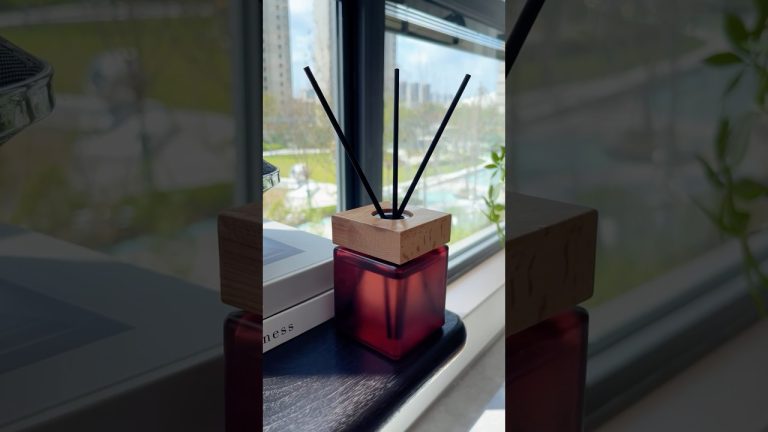
| 芦苇油扩散器 | materials |
| 金属 | 适合 |
| Hotel | 气味 |
| 冬季水果,粉红色的葡萄柚 | Accition |
| 500ml | Color |
| Indigo | Origin |
| 中国批发商 | 期限 |
| 40-60天 | 如何使用香气油和精油 |
香气油和精油都是增强幸福感的流行选择,但它们的目的不同,并且以不同的方式使用。了解如何有效使用这些油可以显着提高其收益。芳香油(通常称为香料油)是主要用于香气的合成或天然化合物。它们通常用于蜡烛,肥皂和其他个人护理产品中,以创建宜人的香气。相比之下,精油是源自植物的浓缩提取物,从而捕获其自然香气和治疗特性。这些油通常用于芳香疗法,按摩和护肤品,可提供芳香和健康益处。
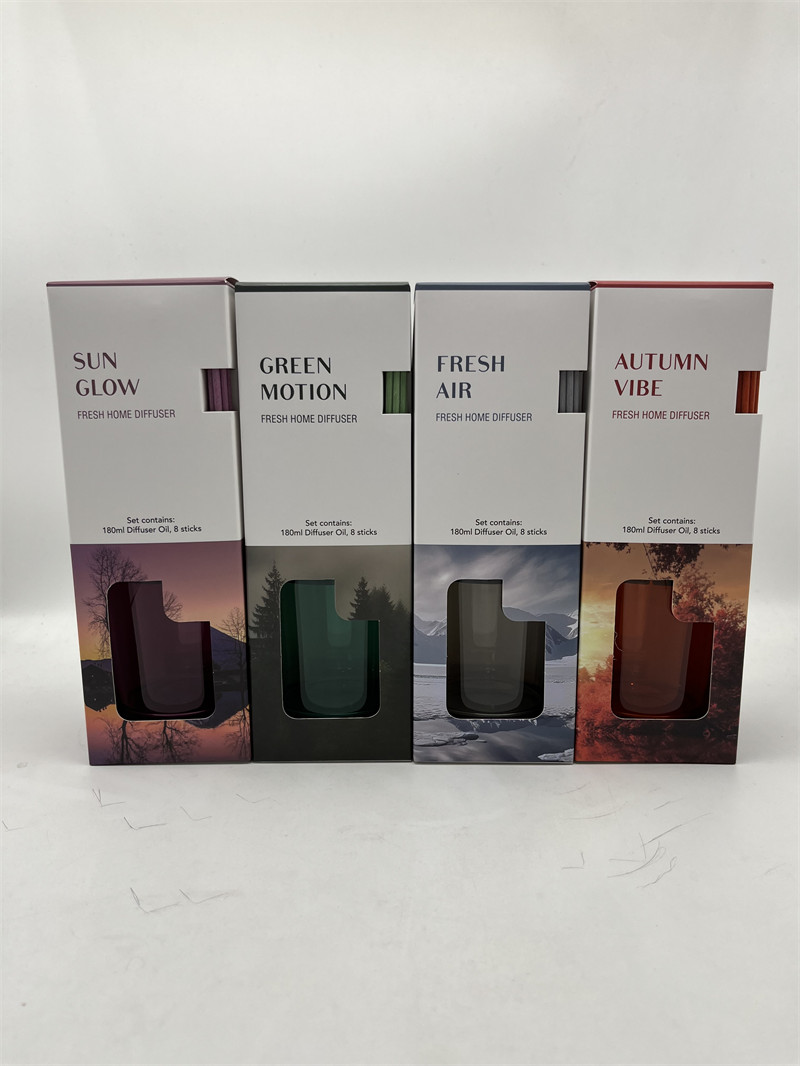
在使用香气油时,主要重点是香气。它们可以添加到扩散器中,该扩散器将香水散布在整个房间中,营造出愉快的氛围。此外,香气可用于potpourri或添加到自制蜡烛中以增强其气味。重要的是要注意,尽管香气可以创造出令人愉悦的氛围,但它们不具有与精油相关的治疗特性。因此,当使用香气油时,应该主要考虑其嗅觉吸引力,而不是任何健康益处。
香味蜡烛定制
此外,精油可以纳入按摩疗法。与载油混合时,它们可以增强按摩体验,从而提供放松和治疗效益。例如,薰衣草精油通常用于其平静的效果,而薄荷油可能有助于缓解紧张气氛。然而,在将精油涂在皮肤上以确保没有过敏反应之前,进行贴片测试至关重要。
除了这些方法,精油也可用于家用清洁产品它们的天然抗菌和抗真菌特性使它们成为化学清洁剂的有效替代品。通过在自制清洁溶液中添加几滴精油,例如茶树或柠檬,可以创建一个新鲜安全的环境。香气主要用于香气,提供宜人的气味而没有治疗作用。相比之下,精油可提供广泛的健康益处,可用于从芳香疗法到护肤的各种应用。了解这些差异使个人可以为其特定需求选择正确的石油类型,从而确保更有效和愉快的体验。无论是寻求营造舒缓的氛围还是解决特定的健康问题,适当使用香气和精油都可以大大增强整体福祉。
另一个重要考虑因素是使用方法。当扩散精油时,建议使用为此目的设计的扩散器,因为它可以帮助将油安全地分散到空气中。但是,至关重要的是要确保空间通风良好,因为过度接触浓缩精油会导致呼吸道刺激。对于香气,适用相同的原理;但是,用户应该对石油及其成分的质量特别谨慎,因为一些合成的香气油在加热时可能会释放有害化合物。某些精油在怀孕期间可能会有禁忌症或可能与药物相互作用。因此,建议这些人在使用前咨询医疗保健专业人员。同样,患有呼吸道问题的人,例如哮喘,对两种油的油都应谨慎,因为吸入浓缩气味会加剧症状。暴露于光,热和空气会降解油的质量,从而降低功效和潜在的安全问题。理想情况下,油应在凉爽干燥的地方存放在深色玻璃瓶中。这种做法不仅保留了油的完整性,而且可以确保它们随着时间的推移而安全使用。通过采取必要的步骤确保安全使用,个人可以享受这些油的芳香和治疗性能,同时最大程度地减少不良影响的风险。
https://reedaromalab.com/tag/top-aroma-diffuser-manufacturersMoreover, essential oils can be incorporated into massage therapy. When mixed with a carrier oil, they can enhance the massage experience, providing both relaxation and therapeutic benefits. For example, lavender essential oil is often used for its calming effects, while peppermint oil may help relieve tension headaches. It is crucial, however, to perform a patch test before applying essential oils to the skin to ensure there is no allergic reaction.
In addition to these methods, essential oils can also be used in household cleaning products. Their natural antibacterial and antifungal properties make them effective alternatives to chemical cleaners. By adding a few drops of essential oils like tea tree or lemon to homemade cleaning solutions, one can create a fresh and safe environment.
In summary, while both aroma oils and essential oils can enhance the sensory experience of a space, their uses and benefits differ significantly. Aroma oils are primarily for fragrance, providing a pleasant scent without therapeutic effects. In contrast, essential oils offer a wide range of health benefits and can be used in various applications, from aromatherapy to skincare. Understanding these differences allows individuals to choose the right type of oil for their specific needs, ensuring a more effective and enjoyable experience. Whether one seeks to create a soothing atmosphere or address particular health concerns, the appropriate use of aroma oils and essential oils can greatly enhance overall well-being.
Safety Precautions When Using Aroma Oil and Essential Oils
When exploring the world of aroma oils and essential oils, it is crucial to understand the safety precautions associated with their use. Both types of oils are popular in aromatherapy, personal care, and household applications, yet they differ significantly in composition and potential effects. Aroma oils, often synthetic or partially synthetic, are designed to mimic natural scents, while essential oils are concentrated extracts derived from plants. This distinction is important not only for their aromatic properties but also for their safety profiles.
First and foremost, it is essential to recognize that essential oils are highly concentrated substances. Due to their potency, they can cause skin irritation or allergic reactions if applied directly without dilution. Therefore, it is advisable to dilute essential oils with a carrier oil, such as coconut or jojoba oil, before topical application. A common guideline is to use a dilution ratio of 1-2 drops of essential oil per teaspoon of carrier oil. This precaution helps mitigate the risk of adverse reactions while still allowing users to enjoy the therapeutic benefits of the oils.
In contrast, aroma oils, particularly those that are synthetic, may contain chemicals that can be irritating or harmful when inhaled or applied to the skin. While some aroma oils are formulated for safe use, others may not undergo the same rigorous testing as essential oils. Consequently, it is vital to read labels carefully and choose products from reputable manufacturers. Additionally, individuals should be aware of any specific ingredients that may trigger sensitivities or allergies, as synthetic components can vary widely in their potential for causing reactions.
Another important consideration is the method of use. When diffusing essential oils, it is recommended to use a diffuser designed for this purpose, as it can help disperse the oil safely into the air. However, it is crucial to ensure that the space is well-ventilated, as excessive exposure to concentrated essential oils can lead to respiratory irritation. For aroma oils, the same principle applies; however, users should be particularly cautious about the quality of the oil and its ingredients, as some synthetic aroma oils may release harmful compounds when heated.
Furthermore, pregnant women, nursing mothers, and individuals with pre-existing health conditions should exercise caution when using both aroma oils and essential oils. Certain essential oils can have contraindications during pregnancy or may interact with medications. Therefore, consulting a healthcare professional before use is advisable for these individuals. Similarly, those with respiratory issues, such as asthma, should be cautious with both types of oils, as inhaling concentrated scents can exacerbate symptoms.
In addition to these considerations, it is essential to store both aroma oils and essential oils properly. Exposure to light, heat, and air can degrade the quality of the oils, leading to reduced efficacy and potential safety concerns. Ideally, oils should be stored in dark glass bottles in a cool, dry place. This practice not only preserves the integrity of the oils but also ensures that they remain safe for use over time.
In conclusion, while both aroma oils and essential oils offer unique benefits and applications, understanding their differences and adhering to safety precautions is paramount. By taking the necessary steps to ensure safe usage, individuals can enjoy the aromatic and therapeutic properties of these oils while minimizing the risk of adverse effects.