Table of Contents
Understanding Aroma Oils
Aroma oils, also known as essential oils, are concentrated plant extracts that capture the natural fragrance and therapeutic properties of various botanicals. These oils are derived from flowers, leaves, stems, roots, and even fruits through methods such as steam distillation or cold pressing. Each essential oil possesses unique characteristics and benefits, making them popular for aromatherapy, massage, and holistic wellness practices.
The purity and potency of aroma oils can vary significantly depending on the extraction method and the source of the plant material. High-quality essential oils are often labeled as “therapeutic grade” and are free from synthetic additives or fillers. Users typically select specific oils based on their desired effects, such as lavender for relaxation or eucalyptus for respiratory support.
In addition to their aromatic qualities, many essential oils have antibacterial, antiviral, and anti-inflammatory properties. This versatility allows individuals to incorporate aroma oils into their daily routines, whether for enhancing mood, promoting relaxation, or addressing specific health concerns.
Exploring Diffusers
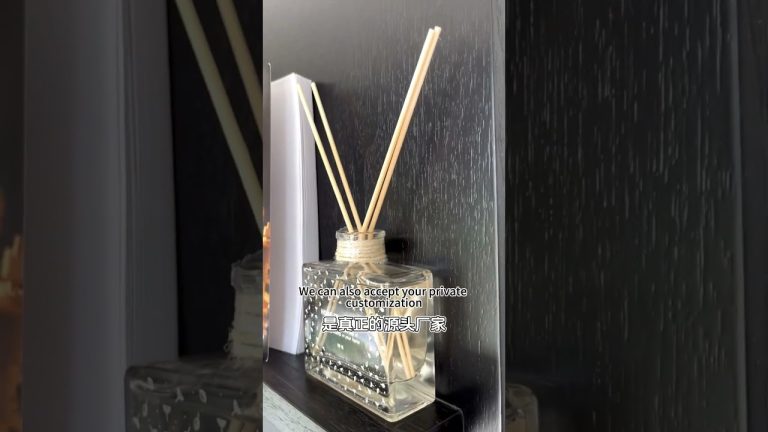
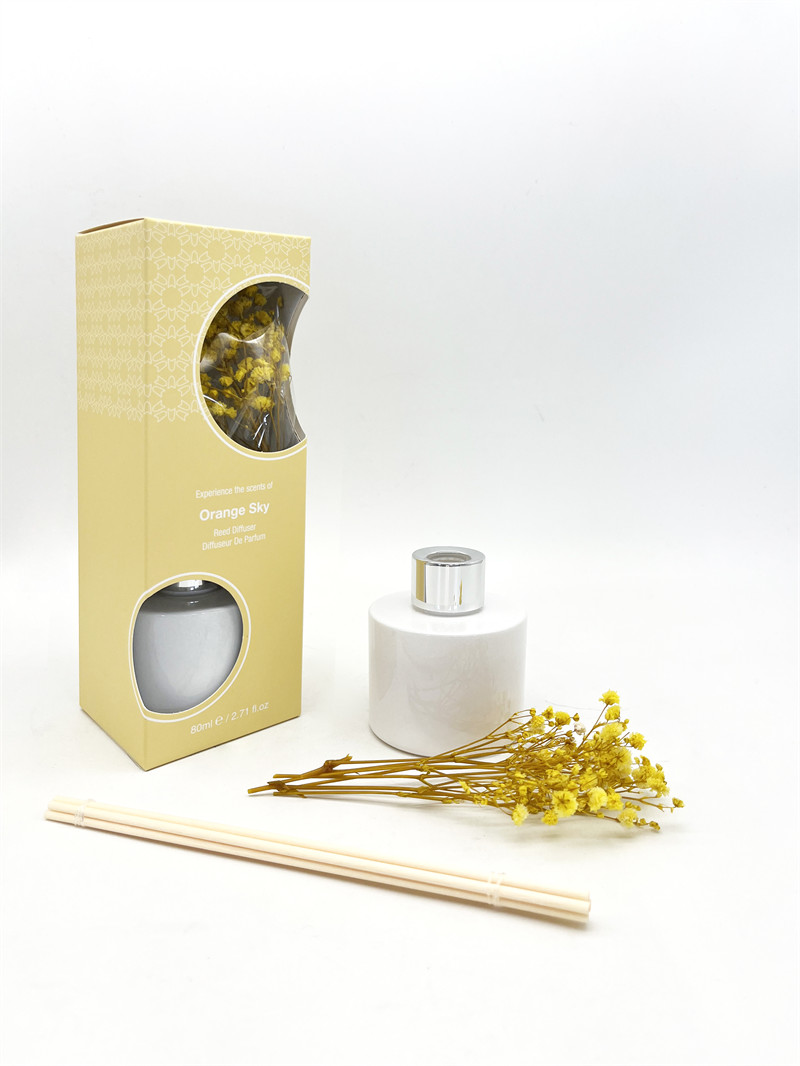
Diffusers are devices designed to disperse essential oils into the air, allowing users to enjoy their fragrance and benefits throughout a room. There are several types of diffusers available, including ultrasonic, nebulizing, heat, and passive diffusers. Each type operates differently, affecting how the aroma oils are released and perceived in the environment.
Ultrasonic diffusers use water and ultrasonic waves to create a fine mist of essential oils, which adds moisture to the air while dispersing the aroma. Nebulizing diffusers, on the other hand, work without water and directly vaporize the essential oils, resulting in a more concentrated scent. Heat diffusers use gentle heat to evaporate the oils, but this method may alter some of the oil’s properties.
Regardless of the type, diffusers help create a calming atmosphere in homes, offices, or wellness spaces. They can be particularly beneficial for improving air quality, reducing stress, and enhancing focus, making them a popular choice for both personal use and therapeutic settings.
Key Differences Between Aroma Oils and Diffusers
https://reedaromalab.com/tag/cheap-scented-candle-china-best-wholesaler
The primary distinction between aroma oils and diffusers lies in their functions. Aroma oils are the concentrated, fragrant substances derived from plants, while diffusers are the tools used to spread those scents throughout an area. Essential oils can be used independently for topical applications or inhalation, whereas diffusers serve as a medium to enhance the olfactory experience in a shared space.
| Commodity Name | Air Freshener |
| Material | Wood |
| Suitable for | Dressing Room |
| Scents | Fresh Air, Camellia & Sakura |
| Capacity | 100ml |
| Color | Lilac |
| Origin | China Supplier |
| Duration | 1 year |
Additionally, aroma oils require proper handling and dilution, especially when applied to the skin. On the contrary, diffusers provide a safe and effective way to enjoy the benefits of essential oils without direct application. The choice of diffuser and essential oil combination can significantly influence the overall experience and effectiveness in achieving the desired ambiance or therapeutic effect.
Ultimately, understanding the differences between aroma oils and diffusers enables users to make informed choices when it comes to enhancing their environments with natural fragrances and health benefits.