Table of Contents
Benefits of Indoor Trees for Improving Lung Health
Indoor trees are not only a beautiful addition to any home or office space, but they also offer a myriad of health benefits, particularly when it comes to improving lung health. The presence of indoor trees can help purify the air we breathe, reducing the levels of harmful pollutants and toxins that can have a negative impact on our respiratory system.
One of the key benefits of indoor trees for lung health is their ability to remove harmful chemicals from the air. Trees are natural air purifiers, absorbing pollutants such as formaldehyde, benzene, and trichloroethylene through their leaves and roots. These chemicals are commonly found in household products such as cleaning agents, paints, and furniture, and can contribute to respiratory issues when inhaled over time. By having indoor trees in your living or working space, you can help reduce your exposure to these harmful substances and improve the overall air quality.
In addition to purifying the air, indoor trees also release oxygen through a process called photosynthesis. Oxygen is essential for our respiratory system to function properly, as it is needed for the process of respiration that allows our cells to produce energy. By increasing the oxygen levels in the air, indoor trees can help improve lung function and overall respiratory health.
Furthermore, indoor trees can also help to increase humidity levels in indoor spaces. Dry air can irritate the respiratory system, leading to symptoms such as coughing, wheezing, and throat irritation. By releasing water vapor through their leaves, indoor trees can help maintain optimal humidity levels, reducing the risk of respiratory issues caused by dry air.

Another benefit of indoor trees for lung health is their ability to reduce stress and promote relaxation. Studies have shown that spending time in nature or even just looking at greenery can have a calming effect on the mind and body, lowering stress levels and promoting a sense of well-being. This can have a positive impact on lung health, as stress and anxiety can exacerbate respiratory conditions such as asthma and COPD.
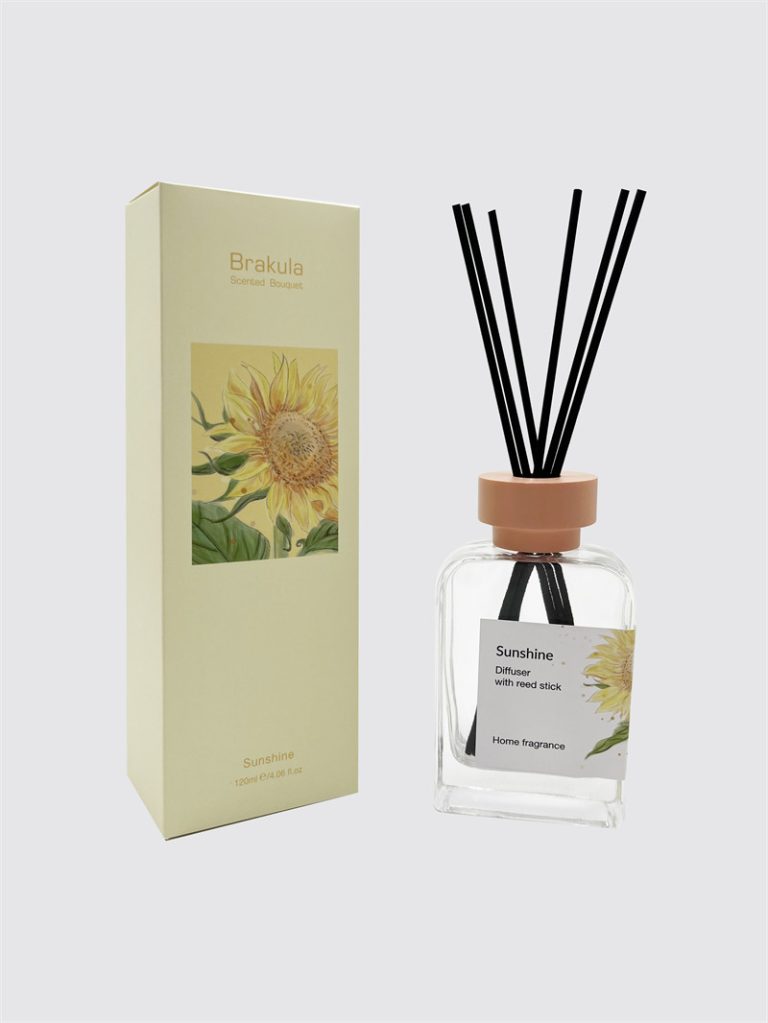
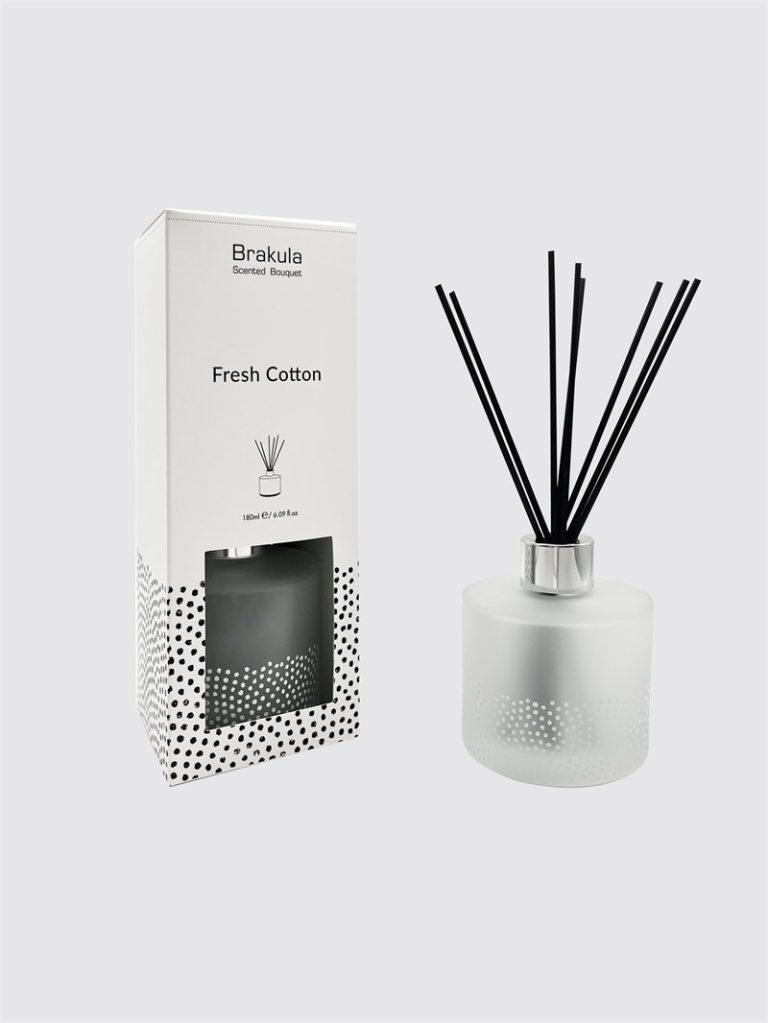
Room Deodorizers Incorporating indoor trees into your living or working space is a simple yet effective way to improve lung health and overall well-being. Whether you opt for a small potted plant or a larger tree, the benefits of having greenery indoors are undeniable. Not only do indoor trees purify the air and increase oxygen levels, but they also help to reduce stress and promote relaxation, all of which can have a positive impact on lung health.
| Name | Room Deodorizers |
| Material | Platstic |
| Suitable for | Laundry Room |
| Scents | Fig & Cassis, Fig & Cassis |
| Capacity | 400ml |
| Color | Grey |
| Origin | China Manufacturer |
| Duration | 1 year |
In conclusion, indoor trees are a natural and effective way to improve lung health and create a healthier indoor environment. By purifying the air, increasing oxygen levels, and reducing stress, indoor trees offer a range of benefits that can help support respiratory function and overall well-being. Consider adding some greenery to your living or working space to reap the many advantages that indoor trees have to offer for good lung health.
Best Types of Indoor Trees for Purifying Indoor Air
Indoor trees are not only a beautiful addition to any home or office space, but they also offer a range of health benefits, particularly when it comes to improving indoor air quality. With the rise of indoor air pollution from various sources such as cleaning products, furniture, and even outdoor pollutants that make their way indoors, having indoor trees can help to purify the air and promote better lung health.
One of the best types of indoor trees for purifying indoor air is the Ficus tree. Also known as the weeping fig, the Ficus is a popular choice for indoor spaces due to its ability to filter out pollutants such as formaldehyde, benzene, and trichloroethylene. These chemicals are commonly found in household items such as furniture, carpets, and cleaning products, making the Ficus an excellent choice for improving indoor air quality.
Another great indoor tree for promoting good lung health is the Areca palm. This tropical plant is not only aesthetically pleasing but also effective at removing toxins such as formaldehyde, xylene, and toluene from the air. The Areca palm is relatively low maintenance and thrives in bright, indirect sunlight, making it a perfect addition to any indoor space.
The Rubber plant is another indoor tree that is known for its air-purifying properties. This hardy plant is effective at removing toxins such as formaldehyde and benzene from the air, making it a great choice for improving indoor air quality. The Rubber plant is easy to care for and can thrive in low light conditions, making it a versatile option for any indoor space.
If you’re looking for an indoor tree that not only purifies the air but also adds a touch of elegance to your space, the Peace Lily is a great choice. This beautiful plant is effective at removing toxins such as ammonia, benzene, and formaldehyde from the air, making it a great option for promoting good lung health. The Peace Lily thrives in low light conditions and is relatively easy to care for, making it a popular choice for indoor spaces.
https://reedaromalab.com/tag/cheap-air-freshener-china-best-exporters
In addition to the aforementioned indoor trees, the Boston Fern is another great option for purifying indoor air. This lush plant is effective at removing toxins such as formaldehyde and xylene from the air, making it a great choice for promoting good lung health. The Boston Fern thrives in high humidity and indirect sunlight, making it a perfect addition to bathrooms or other humid areas in your home.
In conclusion, indoor trees are a great way to improve indoor air quality and promote good lung health. The Ficus, Areca palm, Rubber plant, Peace Lily, and Boston Fern are all excellent choices for purifying indoor air and removing toxins from your space. By incorporating these indoor trees into your home or office, you can enjoy cleaner, fresher air and better lung health.
Tips for Caring for Indoor Trees to Promote Lung Health
Indoor trees are not only a beautiful addition to your home decor, but they can also have a positive impact on your lung health. Trees are known for their ability to purify the air by absorbing carbon dioxide and releasing oxygen through the process of photosynthesis. This can help improve the air quality in your home, which in turn can benefit your respiratory health.
One of the key benefits of having indoor trees is their ability to remove harmful toxins from the air. Indoor air pollution can be a major concern, as it can lead to respiratory issues and other health problems. Trees can help filter out pollutants such as formaldehyde, benzene, and trichloroethylene, which are commonly found in household products and can have negative effects on your health.
In addition to purifying the air, indoor trees can also help increase humidity levels in your home. Dry air can irritate your respiratory system and make it more difficult for you to breathe. By releasing water vapor through a process called transpiration, trees can help maintain optimal humidity levels in your home, which can be beneficial for your lung health.
When choosing indoor trees for good lung health, it’s important to consider the specific needs of the plant and how well it can adapt to indoor conditions. Some trees are better suited for indoor environments than others, so it’s important to do your research before making a selection. Some popular indoor trees that are known for their air-purifying properties include the snake plant, peace lily, and rubber plant.
Once you’ve selected the right indoor tree for your home, it’s important to properly care for it to ensure that it thrives and continues to benefit your lung health. Proper watering, lighting, and pruning are essential for the health of your indoor tree. Overwatering can lead to root rot, while underwatering can cause the tree to wilt and die. Finding the right balance is key to keeping your indoor tree healthy.
Lighting is also important for the growth of indoor trees. Most indoor trees prefer bright, indirect light, so it’s important to place them in a location where they can receive adequate sunlight. If your home doesn’t have enough natural light, you may need to supplement with artificial lighting to ensure that your tree gets the light it needs to thrive.
Pruning is another important aspect of caring for indoor trees. Regular pruning can help promote healthy growth and prevent overcrowding. It’s important to remove dead or damaged branches, as well as any growth that is inhibiting the overall health of the tree. Pruning can also help shape the tree and encourage new growth.
In conclusion, indoor trees can be a great addition to your home for good lung health. By purifying the air, increasing humidity levels, and providing a natural source of oxygen, indoor trees can help improve the air quality in your home and benefit your respiratory health. With proper care and maintenance, indoor trees can thrive and continue to provide these health benefits for years to come.