Table of Contents
Understanding Essential Oils and Air Quality
Essential oils are concentrated plant extracts that possess various aromatic compounds. These oils have been used for centuries in aromatherapy, perfumery, and holistic healing practices. When evaporated into the air, essential oils can significantly influence indoor air quality by releasing their potent fragrances and therapeutic properties.
The evaporation of essential oils occurs through a process called diffusion, where molecules disperse into the air, creating an aromatic environment. This diffusion can help mask unpleasant odors, making indoor spaces more inviting. Furthermore, the pleasant scents of essential oils can enhance mood and promote relaxation, contributing to an overall improvement in well-being.
Room Deodorizers Moreover, many essential oils have antimicrobial properties. For instance, oils like tea tree, eucalyptus, and lavender have been shown to possess antibacterial and antifungal qualities. When these oils evaporate, they may help reduce airborne pathogens, thereby improving the overall cleanliness of the air we breathe indoors.
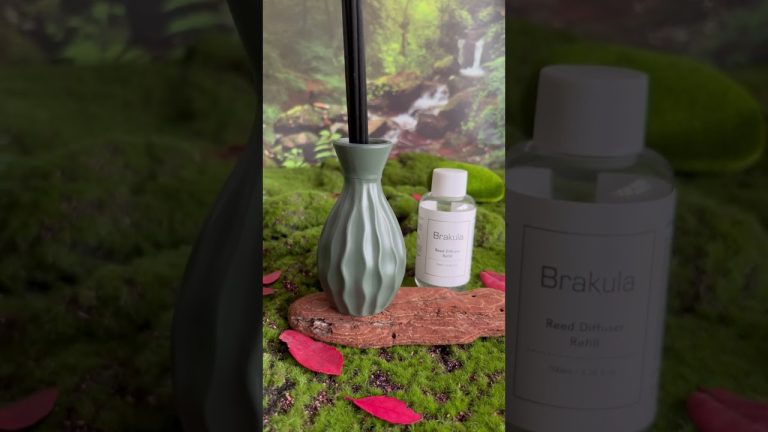
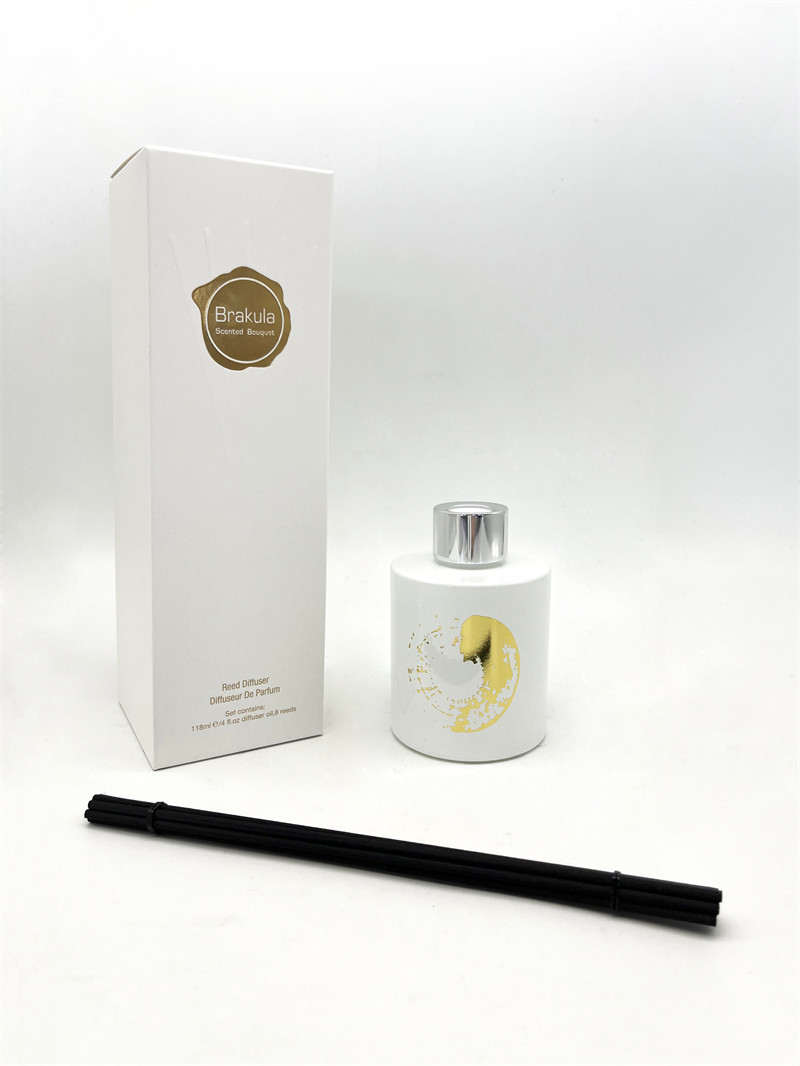
| Product Name | Air Freshener |
| Material | Platstic |
| Suitable for | Prayer Room |
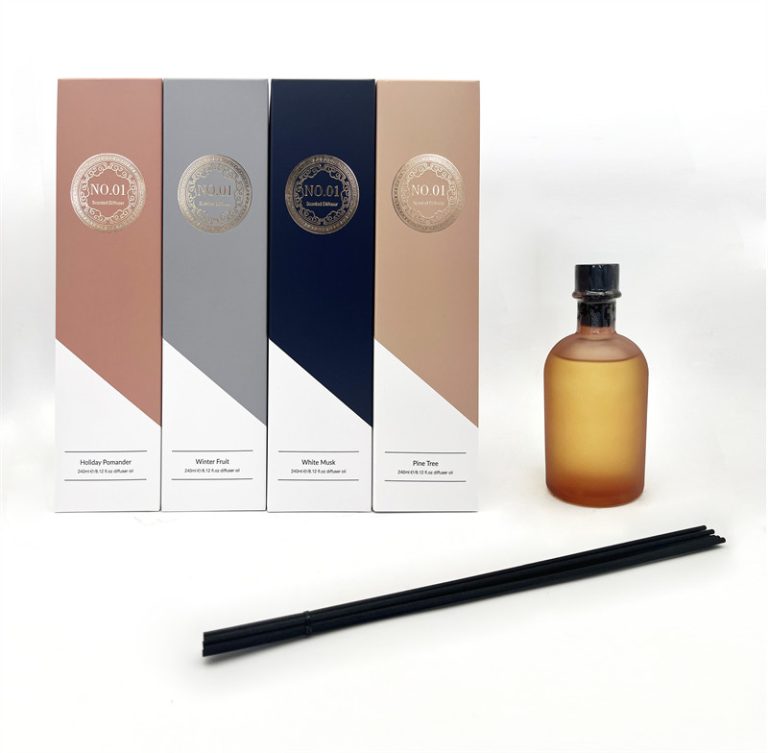
| Scents | French Lemon, Pine Tree |
| Capacity | 100ml |
| Color | Green |
| Origin | China Supplier |
| Duration | 40-60days |
Impact on Mental and Emotional Well-being
The effects of evaporating essential oils extend beyond just physical air quality; they also play a vital role in mental and emotional health. Certain scents can evoke memories, trigger positive emotions, and create a calming atmosphere. For example, lavender is renowned for its relaxing properties, often used to alleviate stress and anxiety.
Incorporating essential oils into indoor spaces can create a tranquil environment that promotes focus and productivity. Scents like peppermint and citrus can energize and uplift, making them ideal for study or work areas. By carefully selecting essential oils based on their psychological effects, individuals can tailor their indoor air quality to support their emotional and mental needs.
Additionally, the ritual of using essential oils—whether through diffusers, sprays, or candles—can itself be a mindfulness practice. Taking time to engage with these scents encourages individuals to pause and reflect, fostering a sense of presence and relaxation.
Considerations for Safe Use
While evaporating essential oils can enhance indoor air quality, it is important to use them safely and effectively. Not all essential oils are suitable for every space or individual. Some oils may cause allergic reactions or irritate sensitive respiratory systems. Therefore, it is crucial to research and select oils that align with personal health considerations.
https://reedaromalab.com/tag/high-quality-hotel-fragrance-best-chinese-factories
Proper ventilation is also key when using essential oils indoors. Ensuring that spaces are well-ventilated helps prevent overwhelming scents and allows for the continuous exchange of fresh air. This balance ensures that the benefits of essential oils are maximized while minimizing potential negative effects.
Finally, moderation is essential. Overuse of essential oils can lead to a buildup of strong aromas that may be counterproductive to creating a pleasant atmosphere. By using essential oils mindfully and in appropriate quantities, individuals can enjoy enhanced indoor air quality and the myriad benefits that these natural extracts provide.