Table of Contents
Health Risks of Inhaling Car Fresheners
The use of car fresheners has become a common practice for many individuals seeking to enhance the olfactory experience within their vehicles. While these products are designed to mask unpleasant odors and create a more pleasant environment, it is essential to consider the potential health risks associated with inhaling the various scents they emit. Car fresheners often contain a mixture of volatile organic compounds (VOCs), synthetic fragrances, and other chemicals that can pose health concerns, particularly when inhaled over extended periods.

One of the primary components of many car fresheners is VOCs, which are organic chemicals that can easily evaporate at room temperature. These compounds are known to contribute to indoor air pollution and can lead to a range of health issues. Short-term exposure to VOCs may result in symptoms such as headaches, dizziness, and respiratory irritation. For individuals with pre-existing respiratory conditions, such as asthma or chronic obstructive pulmonary disease (COPD), the inhalation of these compounds can exacerbate symptoms and lead to more severe health complications. Consequently, it is crucial for users to be aware of their sensitivity to these chemicals and to monitor their reactions when using such products.
In addition to VOCs, many car fresheners contain synthetic fragrances that can trigger allergic reactions or sensitivities in some individuals. These fragrances are often composed of numerous undisclosed chemicals, making it difficult for consumers to identify specific allergens. Symptoms of fragrance sensitivity can include sneezing, nasal congestion, skin irritation, and even respiratory distress. As a result, individuals who are prone to allergies or have a history of chemical sensitivities should exercise caution when using car fresheners, as the risk of adverse reactions may outweigh the benefits of a pleasant scent.
Moreover, the long-term effects of inhaling the chemicals found in car fresheners are not fully understood. While occasional use may not pose significant health risks for most individuals, prolonged exposure could lead to cumulative effects that may impact overall health. Research has suggested that certain chemicals commonly found in air fresheners and similar products may be linked to endocrine disruption, which can interfere with hormonal balance and potentially lead to reproductive health issues. This concern is particularly relevant for pregnant women, as exposure to certain chemicals during pregnancy may affect fetal development.
Furthermore, it is important to consider the environmental implications of using car fresheners. Many of the chemicals released into the air can contribute to outdoor air pollution, which poses additional health risks to the general population. As these compounds accumulate in the atmosphere, they can react with other pollutants to form ground-level ozone, a harmful substance that can exacerbate respiratory conditions and contribute to cardiovascular problems.
Air Freshener Customization
In conclusion, while car fresheners may provide a temporary solution for unpleasant odors, the potential health risks associated with inhaling their scents warrant careful consideration. The presence of VOCs, synthetic fragrances, and other chemicals can lead to a range of adverse health effects, particularly for sensitive individuals. As awareness of these risks grows, consumers may wish to explore alternative methods for maintaining a pleasant environment in their vehicles, such as using natural air fresheners or ensuring proper ventilation. Ultimately, making informed choices about the products we use can help safeguard our health and well-being in the long run.
Safe Alternatives to Scented Air Fresheners
The use of scented air fresheners, such as those commonly found in vehicles, has become a prevalent practice for many individuals seeking to enhance their environment with pleasant aromas. However, concerns regarding the safety of inhaling these artificial fragrances have prompted a search for safer alternatives. It is essential to recognize that while many commercial air fresheners may provide immediate olfactory satisfaction, they often contain volatile organic compounds (VOCs) and other chemicals that can pose health risks, particularly with prolonged exposure. Consequently, exploring natural alternatives can not only mitigate these risks but also promote a healthier living space.
One of the most effective and safe alternatives to synthetic air fresheners is the use of essential oils. Derived from plants, essential oils offer a wide range of fragrances and therapeutic benefits without the harmful chemicals found in many commercial products. For instance, oils such as lavender, eucalyptus, and lemon not only provide pleasant scents but also possess properties that can enhance mood and promote relaxation. To utilize essential oils, individuals can create their own air fresheners by mixing a few drops of their chosen oil with water in a spray bottle. This simple solution allows for customization and control over the intensity of the fragrance, ensuring a more natural and less overwhelming scent experience.
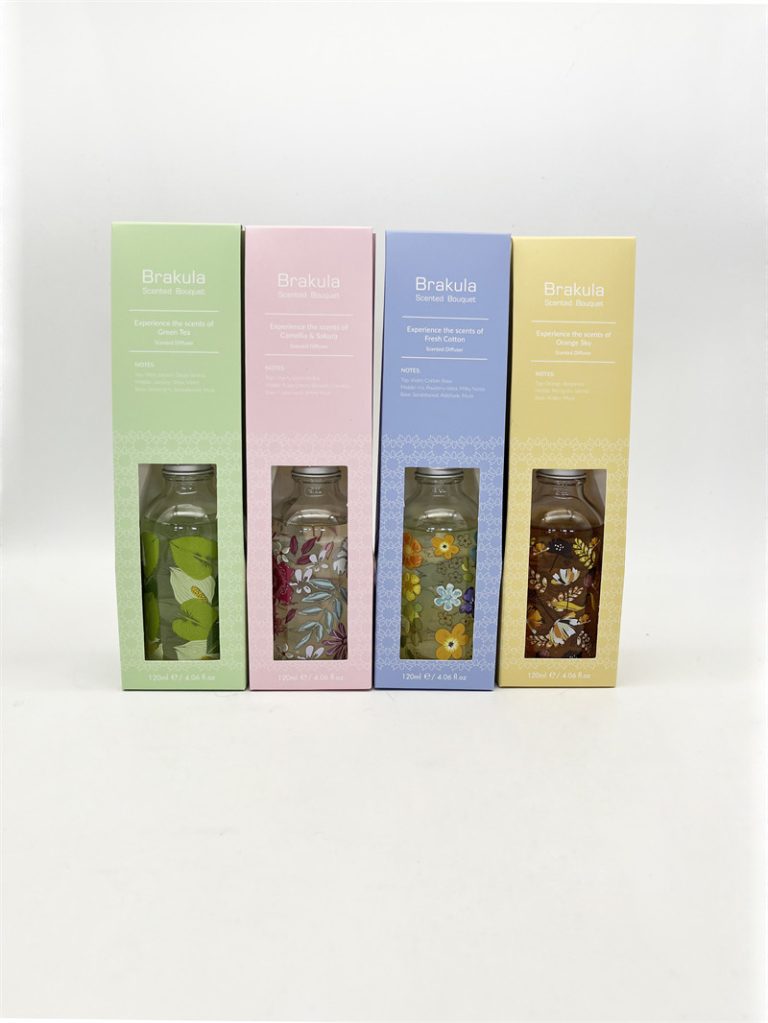
| Products | Scent Diffuser |
| Material | Wood |
| Suitable for | Prayer Room |
| Scents | Hug, Fig & Cassis |
| Capacity | 500ml |
| Color | Indigo |
| Origin | China Supplier |
| Duration | Customizeds |
In addition to essential oils, incorporating natural materials into one’s environment can also serve as an effective means of scenting a space. For example, using dried herbs, flowers, or citrus peels can infuse a room with delightful aromas without the need for synthetic additives. Placing bowls of dried lavender or rosemary around the home or car can provide a subtle yet refreshing scent. Similarly, simmering a pot of water with slices of lemon, orange, or cinnamon sticks on the stove can create a warm and inviting atmosphere, filling the air with natural fragrances that are both pleasant and safe.
Another alternative worth considering is the use of activated charcoal or baking soda as odor absorbers. While these substances do not emit fragrances, they are highly effective at neutralizing unwanted odors. Activated charcoal, in particular, is known for its ability to absorb moisture and odors, making it an excellent choice for areas prone to mustiness. Placing small bags of activated charcoal in various locations can help maintain a fresh environment without introducing any artificial scents.
Furthermore, the practice of regular cleaning and maintenance can significantly reduce the need for air fresheners altogether. By keeping spaces clean and free from dust, mold, and other allergens, individuals can create a naturally fresh atmosphere. Utilizing natural cleaning products, such as vinegar and baking soda, can enhance this process while ensuring that no harmful chemicals are introduced into the environment.
Lastly, incorporating plants into living spaces can provide both aesthetic and olfactory benefits. Certain houseplants, such as peace lilies and spider plants, not only purify the air but can also emit pleasant scents. By strategically placing these plants throughout a home or vehicle, individuals can enjoy the dual benefits of improved air quality and natural fragrance.
In conclusion, while the allure of scented air fresheners is undeniable, the potential health risks associated with their use cannot be overlooked. By opting for natural alternatives such as essential oils, dried herbs, odor absorbers, regular cleaning, and indoor plants, individuals can create a safe and pleasant environment. These alternatives not only enhance the quality of the air but also contribute to overall well-being, making them a wise choice for those seeking to avoid the pitfalls of synthetic fragrances.
https://reedaromalab.com/tag/scent-diffuser-china-best-exporters