Table of Contents
Understanding Essential Oil Purity
To determine if an essential oil is of high quality, the first step is to check for purity. High-quality essential oils should be 100% pure, meaning they contain no additives, synthetic substances, or fillers. Look for labels that specify “pure essential oil” and avoid products that list fragrance oils, as these often contain artificial components.
Another factor to consider is the botanical name of the plant from which the oil is derived. A reputable supplier will provide this information, allowing you to verify the authenticity of the oil. Knowing the specific variety of the plant can also help you understand its properties better, as different species can have significantly different qualities.
Lastly, consider the extraction method used. Steam distillation is the most common method for extracting essential oils, but cold pressing is also used for citrus oils. High-quality oils are typically extracted using methods that preserve the integrity of the plant’s natural compounds. Avoid oils extracted using chemical solvents, as these may compromise the oil’s quality.
| Products | Room Deodorizers |
| Material | Platstic |
| Suitable for | Living Room |
| Scents | Fig & Cassis, Pink Grapefruit |
| Capacity | 120ml |
| Color | Navy Blue |
| Origin | China Company |
| Duration | 40-60days |
Packaging and Storage Considerations
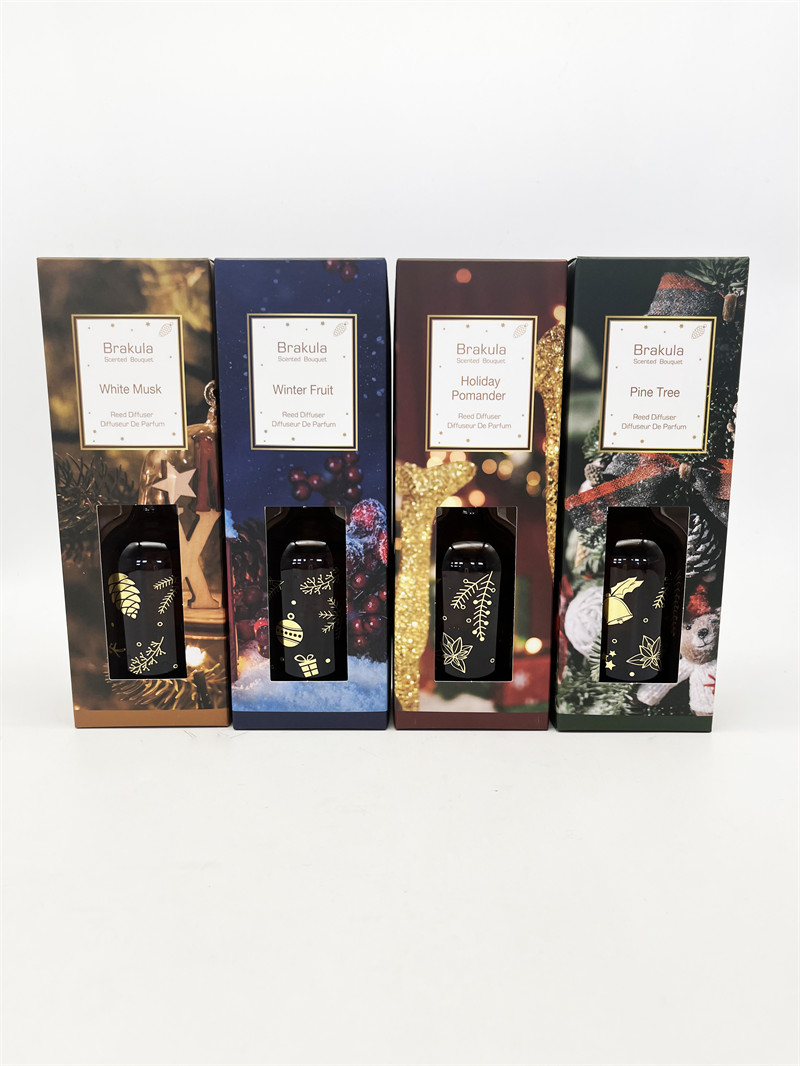
The packaging of essential oils plays a crucial role in maintaining their quality. High-quality oils are usually sold in dark glass bottles, which protect them from light exposure that can degrade their potency. If you find essential oils in clear plastic containers, it’s a red flag indicating potential quality issues.
Proper storage conditions are equally important. Essential oils should be stored in a cool, dark place away from heat and direct sunlight. This helps to preserve their therapeutic properties over time. If the oil has been exposed to unfavorable conditions, it may lose its efficacy.
Additionally, take note of the expiration date or shelf life mentioned on the label. Quality essential oils should have a reasonable shelf life, often ranging from 1 to 3 years, depending on the oil type. Be cautious of oils that have no expiration date, as this may indicate a lack of quality control.
Sourcing and Testing Practices
High-quality essential oils often come from reputable suppliers who prioritize ethical sourcing and sustainable practices. Researching the company’s background can give you insights into their sourcing methods. Companies that work directly with farmers and support sustainable agriculture are more likely to provide authentic and high-quality oils.
Third-party testing is another vital aspect of ensuring essential oil quality. Many reputable brands submit their oils for testing by independent laboratories to confirm their purity and potency. Look for oils that come with a Certificate of Analysis (COA), which provides detailed information about the oil’s composition and verifies its quality.
https://reedaromalab.com/tag/room-deodorizers-china-best-manufacturer
Finally, customer reviews and testimonials can offer valuable insights into the quality of the essential oil. Authentic feedback from other users can help you gauge whether a product meets its claims. Be wary of overly positive reviews that may seem exaggerated; instead, seek out balanced opinions that discuss both the benefits and any potential drawbacks.