Table of Contents
Identifying the Source of the Musty Smell
https://reedaromalab.com/tag/cheap-room-deodorizers-wholesalers
Before you can effectively remove a musty smell from your HVAC system, it’s essential to identify where the odor is coming from. Common culprits include damp or moldy air filters, condensation buildup in ducts, and microbial growth on evaporator coils. Inspect these areas carefully, as they are often the first places to harbor moisture and subsequently develop unpleasant smells.
Another potential source of mustiness could be standing water in the condensate pan. This area can collect moisture from the cooling process, and if it is not drained properly, it can become a breeding ground for mold and mildew. Regularly check and clean the condensate line to prevent this issue from escalating.
Lastly, consider the surrounding environment of your HVAC system. If your unit is located in a basement or other humid area, the ambient moisture can contribute to the musty smell. Improving ventilation in these spaces can help mitigate this problem.
Cleaning and Maintaining Your HVAC System
Once you’ve identified the source of the musty smell, the next step is to clean your HVAC system thoroughly. Start with replacing or cleaning the air filters, as dirty filters can significantly impact air quality and smell. Use high-efficiency particulate air (HEPA) filters for better filtration and odor control.
After addressing the filters, clean the evaporator coils and drain pans using a mixture of vinegar and water. This solution helps kill mold and bacteria that may have developed on these surfaces. Be sure to turn off the power to the system before performing any maintenance work to ensure safety.
Additionally, consider scheduling regular professional maintenance for your HVAC system. Technicians can inspect and clean components that might be hard to reach on your own, ensuring that your system runs efficiently and remains free of musty odors.
Preventing Future Musty Odors
To keep your HVAC system smelling fresh, it’s crucial to implement preventive measures. One effective strategy is to maintain optimal humidity levels within your home. Using a dehumidifier can help reduce moisture in the air, making it less conducive to mold growth. Aim for indoor humidity levels between 30% and 50% for the best results.
Regularly changing your air filters is another key aspect of prevention. Make it a habit to check and replace them at least every three months, or more frequently if you have pets or live in a dusty environment. This simple action can greatly improve air quality and decrease the chances of musty odors developing.
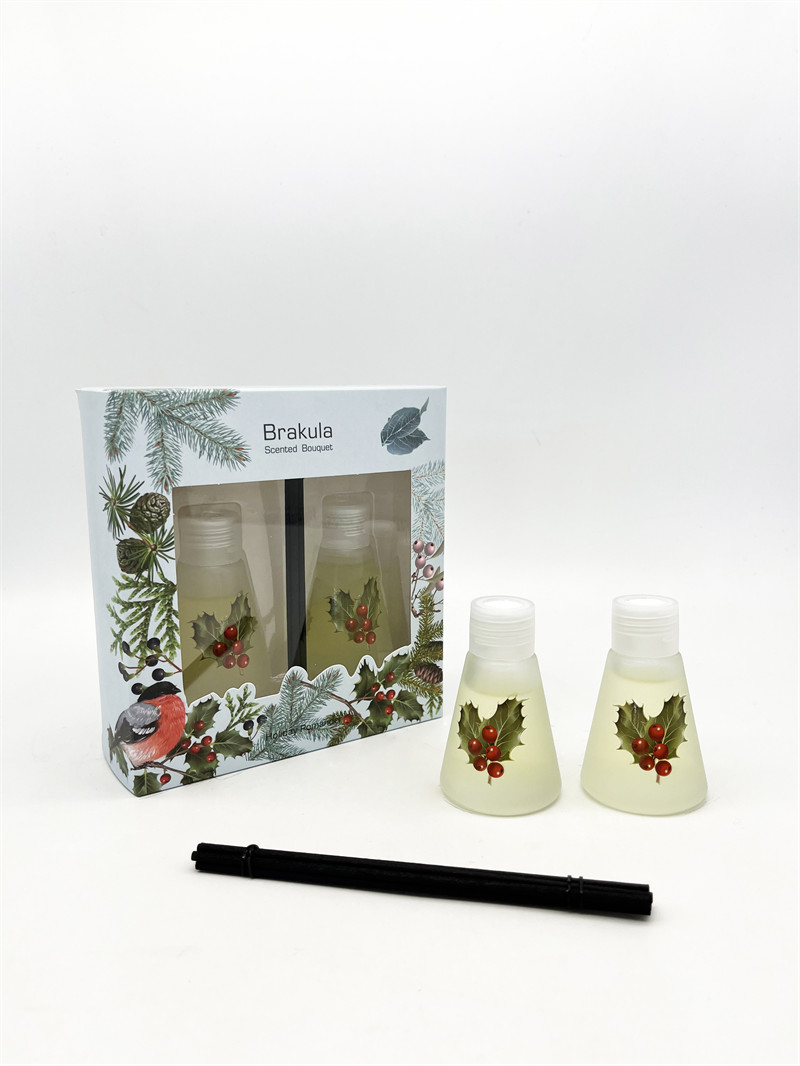
| Commodity Name | Indoor Aromatherapy |
| Material | Platstic |
| Suitable for | Prayer Room |
| Scents | Holiday Pomander, Ginger & Lemon |
| Capacity | 180ml |
| Color | Scarlet |
| Origin | China Wholesaler |
| Duration | 1 year |
Finally, consider installing an ultraviolet (UV) light system within your HVAC unit. These systems can help kill mold and bacteria that may grow on the evaporator coils and in the ductwork, providing an additional layer of protection against musty smells.