Table of Contents
Understanding the Basics of Candle Wicks
Candle wicks are essential for the functioning of a candle, as they provide the flame with a steady supply of fuel. A traditional wick is made from cotton or other fibrous materials that can absorb liquid wax and draw it up into the flame. However, if you find yourself in a situation where you don’t have access to proper wicks, it’s helpful to know how to create a makeshift wick.
The material you choose for your makeshift wick plays a crucial role in how well it burns. Materials like cotton balls, strips of cloth, or even paper can serve as temporary substitutes. These materials should be able to absorb the wax and hold it long enough to sustain a flame without producing excessive smoke or soot.
Crafting Your Makeshift Wick
https://reedaromalab.com/tag/top-room-sprays-makers
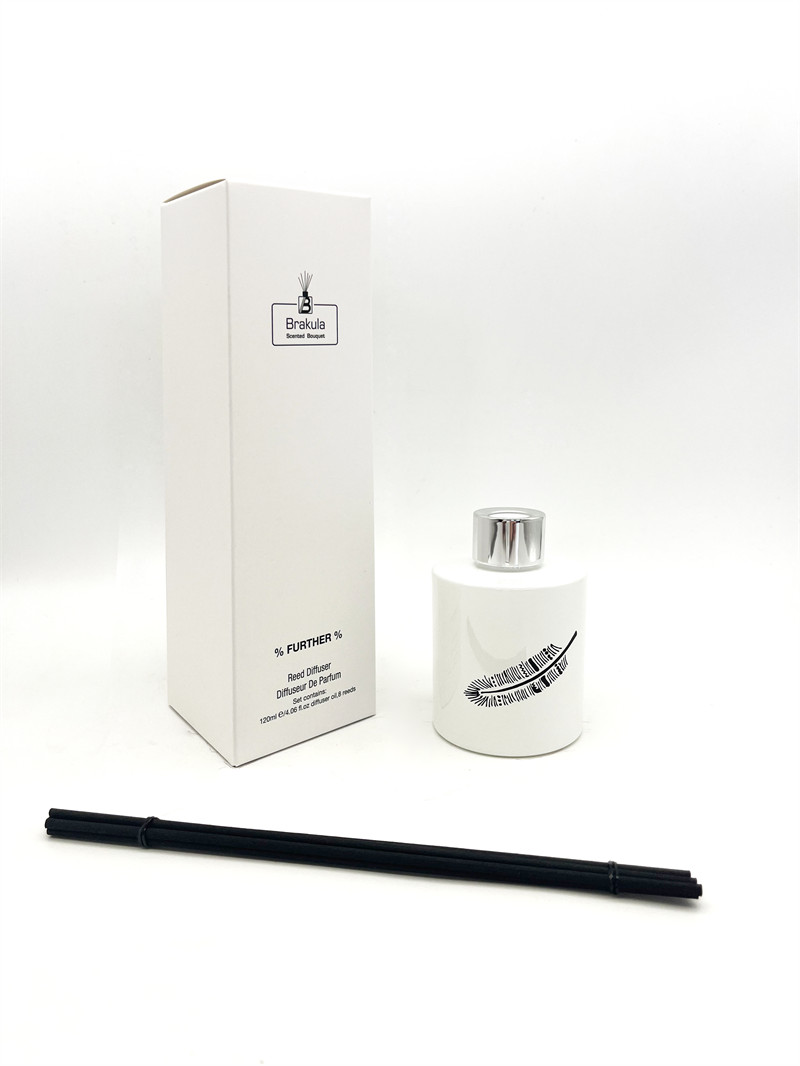
| Product Name | Indoor Aromatherapy |
| Material | Platstic |
| Suitable for | Prayer Room |
| Scents | Winter Musk, Eucalyptus & Mint |
| Capacity | 200ml |
| Color | Scarlet |
| Origin | China Company |
| Duration | 1 year |
To create a basic makeshift wick using a cotton ball, simply pull apart the cotton to form a thin strand. You want it to be thick enough to hold wax but thin enough to light easily. Once you’ve shaped your cotton, dip it into melted wax so it becomes saturated. This will allow it to burn longer and more efficiently when placed in your candle.
If you prefer using a strip of cloth, cut a piece from an old T-shirt or towel. The width of the strip should be around half an inch, and the length can vary depending on the size of your candle. After cutting the strip, soak it in melted wax just like you did with the cotton ball. This method helps the cloth absorb the wax, making it a viable wick alternative.
Alternative Materials for Wick Creation
In addition to cotton and cloth, you can experiment with other materials. For instance, a twisted piece of paper can work as a wick in a pinch. Take a thin strip of paper, roll it tightly, and then dip it in wax. Keep in mind that this type of wick may burn more quickly and produce smoke, so it’s best suited for short-term use.
Another interesting option is to use a wooden skewer or a toothpick combined with a small piece of cotton. Simply wrap the cotton around the skewer, ensuring it’s tight enough to stay in place, and then dip the entire assembly into wax. This method can enhance the burning time and stability of your makeshift wick, allowing for a more consistent flame.