Table of Contents
The Extraction Process of Natural Fragrance Oils
Natural fragrance oils are derived from various plant materials, including flowers, leaves, roots, and fruits. The extraction process is crucial as it determines the quality and potency of the final product. There are several methods used to extract these oils, each with its unique benefits and characteristics.
Steam distillation is one of the most common methods used for extracting essential oils from plants. In this process, steam is passed through the plant material, causing the oil to evaporate. The vapor is then cooled, condensing back into liquid form, separating the essential oil from the water. This method is particularly effective for extracting oils from woody and leafy plants.
Another popular method is cold pressing, primarily used for citrus fruits like oranges and lemons. This technique involves mechanically squeezing the rind of the fruit to release the oil. The result is a fresh, vibrant fragrance that captures the essence of the fruit. Cold pressing retains the natural aroma and properties of the oil, making it a preferred choice for many perfumers.
Quality Control in Production
Once natural fragrance oils are extracted, quality control becomes paramount. Ensuring the purity and authenticity of the oils is essential for their use in aromatherapy, cosmetics, and perfumes. Various tests are conducted to check for contaminants and verify the oil’s chemical composition.
perfume card
Gas chromatography is a common analytical technique used in the quality control process. This method separates the different compounds in the oil, allowing scientists to identify and quantify each component. By comparing the results to established standards, producers can ensure that their oils meet specific quality criteria.
https://reedaromalab.com/tag/hotel-fragrance-best-china-wholesaler
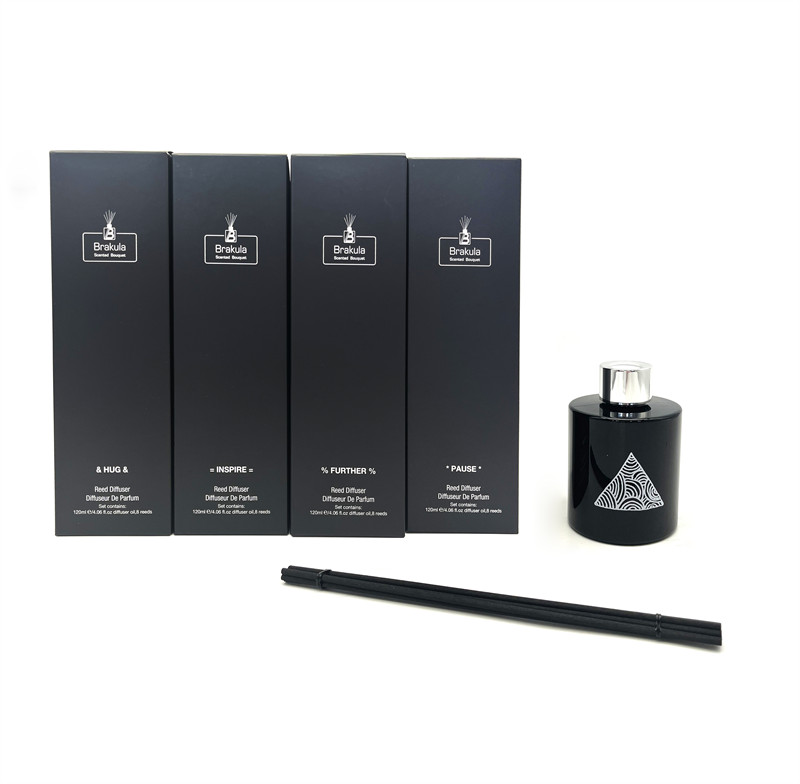
| Product | Reed Oil Diffuser |
| Material | Ceramic |
| Suitable for | Bedroom |
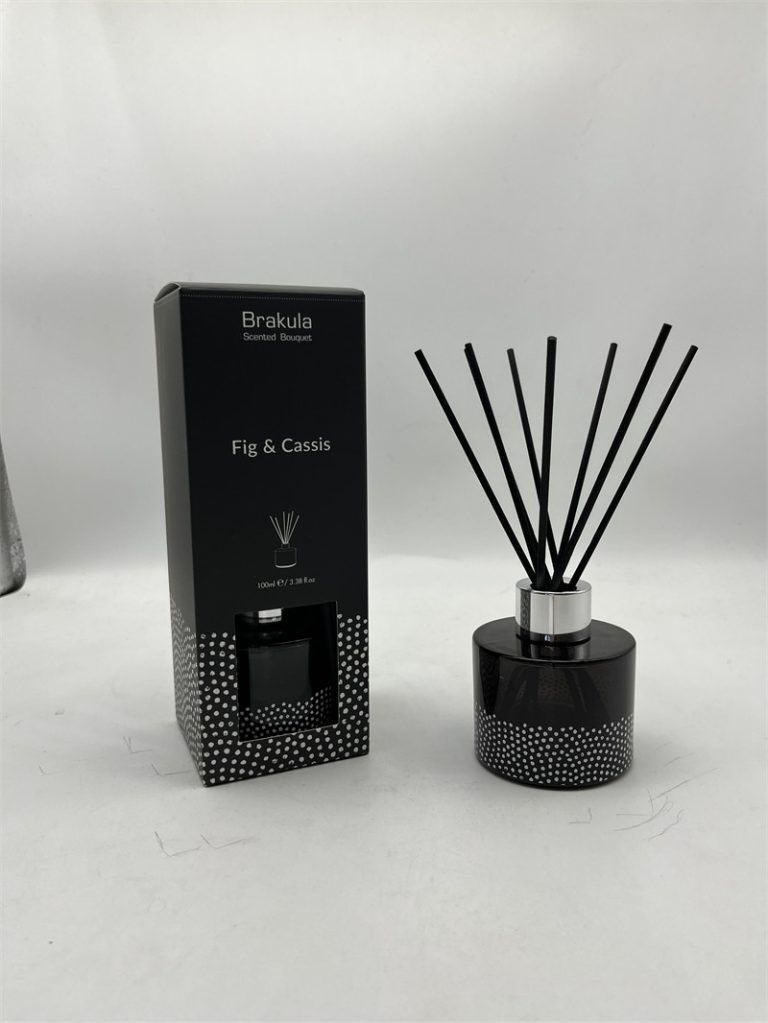
| Scents | Fig & Cassis, Lavender Dreams |
| Capacity | 250ml |
| Color | Light Blue |
| Origin | China Company |
| Duration | Customizeds |
Additionally, sensory evaluation plays a vital role in assessing the fragrance profile of the oils. Trained evaluators use their sense of smell to detect any off-notes or inconsistencies in the aroma. This step helps maintain the high standards expected by consumers and ensures that each batch of oil delivers a consistent scent experience.
Applications of Natural Fragrance Oils
Natural fragrance oils have a wide range of applications across various industries. In the cosmetic industry, these oils are often used in products like lotions, shampoos, and perfumes, providing appealing scents while also offering potential therapeutic benefits. Their all-natural origin makes them an attractive option for consumers looking for safer alternatives to synthetic fragrances.
In aromatherapy, natural fragrance oils are used for their calming and uplifting effects. Many people incorporate these oils into their daily routines to promote relaxation, reduce stress, and enhance overall well-being. Diffusers, candles, and massage oils are popular ways to enjoy the soothing aromas of these natural extracts.
The food and beverage industry has also embraced natural fragrance oils, using them to enhance flavors and aromas in various products. From essential oils used in baking to flavoring agents in beverages, these oils provide a natural alternative to artificial flavorings, appealing to health-conscious consumers seeking authentic taste experiences.